

Sewage Treatment Plants (STP)
Sewage Treatment Plants: Protecting Public Health and the Environment
Sewage Treatment Plants (STPs) are essential for maintaining public health and safeguarding our environment. By purifying wastewater through advanced processes, these facilities ensure that treated water meets stringent quality standards before being released back into nature. This not only protects aquatic ecosystems but also helps sustain clean water resources for future generations.
STPs function like giant filters for wastewater from homes, offices, and industries, much like a water purifier for drinking water. By removing harmful contaminants and pathogens, they prevent pollution in rivers, lakes, and oceans, playing a critical role in sustaining healthy ecosystems and communities.
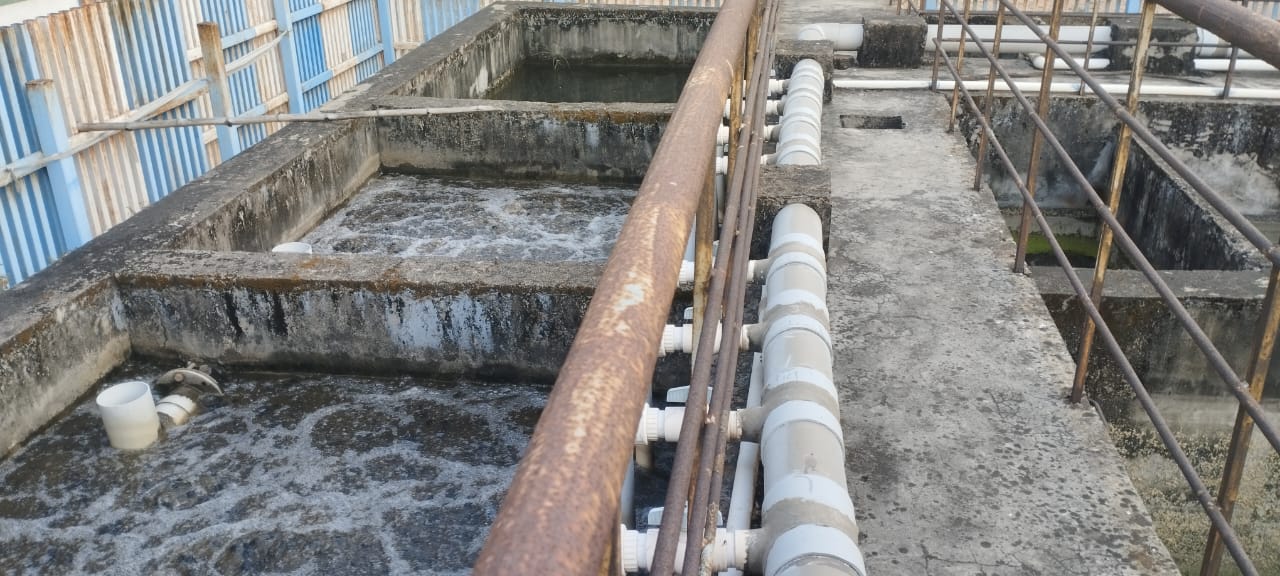
How STP Technology Works
Sewage treatment is a multi-stage process consisting of primary, secondary, and tertiary treatments. Each stage plays a vital role in cleaning wastewater effectively:
- Primary Treatment: The Initial Clean-Up
The primary treatment stage removes large solids and heavy particles from wastewater.
Screening: Wastewater passes through screens to filter out debris like plastics, rags, and other large items.
Sedimentation: The screened water flows into settling tanks, where gravity causes heavier solids to sink and form sludge, which is removed periodically.
While primary treatment reduces suspended solids, it doesn’t significantly impact organic contaminants or pathogens.
- Secondary Treatment: Biological Breakdown
Secondary treatment targets organic matter and pathogens using biological processes.
Aeration: Air is introduced into the wastewater, encouraging microorganisms to grow. These microbes feed on organic contaminants, breaking them down into water and carbon dioxide.
Clarification: The water flows into settling tanks, where microorganisms (activated sludge) settle at the bottom.
Activated Sludge Recycling: Some of this sludge is recycled to maintain a healthy population of microbes for continuous treatment.
This stage significantly reduces organic pollutants and pathogens, making the water much cleaner.
- Tertiary Treatment: Polishing the Effluent
Tertiary treatment is the final step and ensures that treated water meets the highest quality standards.
Filtration: Water passes through sand, gravel, or specialized media to remove fine particles and residual microorganisms.
Disinfection: The effluent is treated with chlorine, ultraviolet (UV) light, or ozone to kill any remaining pathogens.
Nutrient Removal: Excess nutrients like nitrogen and phosphorus are removed to prevent harmful algal blooms in water bodies.
Advanced Oxidation: Persistent organic pollutants and chemicals are broken down using advanced oxidation processes.
Treated water from tertiary treatment can safely reenter natural ecosystems or be reused for irrigation and industrial applications.
Key Components of a Sewage Treatment Plant
Each STP consists of various components designed to remove contaminants efficiently:
Bar Screens: Filters out large debris like sticks, rags, and plastics.
Grit Chambers: Settles out sand, gravel, and small particles.
Comminutors: Break down smaller solids for easier treatment.
Pre-Aeration Tanks: Add oxygen to improve treatment efficiency.
Primary Settling Tanks: Allow heavy solids to sink, forming sludge.
Aeration Tanks: Promote microbial activity to break down organic matter.
Secondary Settling Tanks: Further clarify water by allowing residual solids to settle.
Biological Filters: Remove any remaining particles or impurities.
Sludge Handling Units: Process and manage the solid waste (sludge) removed during treatment.
Conclusion
Sewage Treatment Plants are indispensable to modern society, acting as guardians of our water resources. They ensure that wastewater is cleaned thoroughly before returning to the environment, thus preserving ecosystems, supporting public health, and enabling sustainable urban growth. Through continued innovation and prioritization of efficient, eco-friendly technologies, STPs will remain at the forefront of global efforts to protect our most precious resource—water.
General Questions About Sewage Treatment Plants
A Sewage Treatment Plant (STP) is a facility designed to remove contaminants, organic matter, suspended solids, and harmful microorganisms from wastewater generated by residential, commercial, and industrial facilities.
An STP helps protect public health, reduce water pollution, comply with applicable environmental regulations, and enable the safe reuse of treated wastewater for suitable applications.
An STP typically uses physical, biological, and sometimes chemical treatment processes to remove pollutants from sewage before the treated water is discharged or reused.
The main stages generally include preliminary treatment, primary treatment, secondary biological treatment, and tertiary treatment or disinfection, depending on the plant design and required effluent quality.
An STP primarily treats domestic sewage from toilets, bathrooms, kitchens, and laundry facilities. Specialized systems may also handle certain commercial wastewater streams after appropriate assessment and pretreatment.
An STP primarily treats sewage, particularly domestic wastewater. A wastewater treatment plant is a broader term that may include systems designed to treat domestic, commercial, and industrial wastewater.
An STP helps reduce environmental pollution, supports water conservation, improves sanitation, facilitates wastewater reuse, and helps facilities meet applicable discharge requirements.
STPs are commonly installed in residential apartments, housing complexes, hotels, hospitals, schools, offices, shopping malls, factories, and other establishments that generate sewage.
Treated sewage water is wastewater that has undergone treatment to reduce contaminants. Its suitability for reuse depends on the treatment process and the quality standards required for the intended application.
Yes. A properly designed and operated STP can reduce water pollution, protect aquatic ecosystems, conserve freshwater resources, and support sustainable wastewater management.