

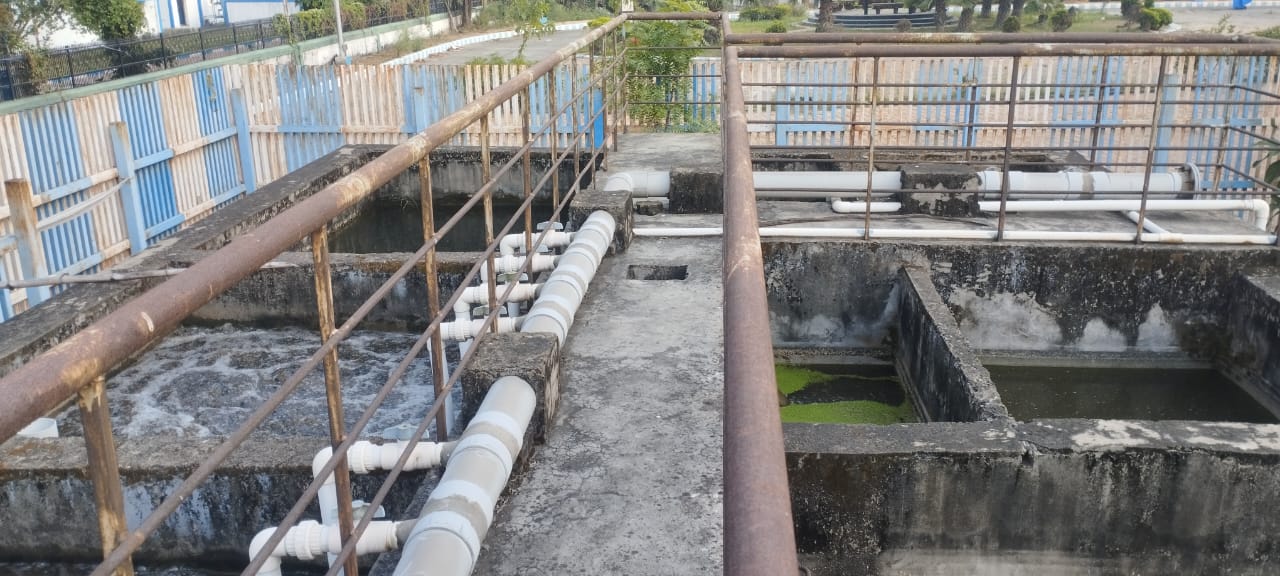
Industrial growth creates employment and supports economic development, but industrial operations can also generate wastewater containing oils, chemicals, suspended solids, organic matter and other pollutants.
An Effluent Treatment Plant (ETP) helps industries treat wastewater before it is discharged or reused. The treatment process must be designed according to the type of industry, the characteristics of its effluent and the applicable environmental requirements.
What Is an Effluent Treatment Plant?
An ETP is an engineered system that treats industrial wastewater to reduce pollutants and achieve the required quality for its intended destination.
Unlike domestic sewage, industrial effluent can vary significantly between factories. Textile processing, food manufacturing, pharmaceuticals, metal finishing and chemical production may generate very different wastewater streams.
Consequently, an effective ETP requires proper wastewater analysis and process selection rather than a one-size-fits-all design.
Major Stages of Industrial Effluent Treatment
1. Screening and Preliminary Treatment
Screens and other preliminary equipment remove coarse materials that could damage pumps and downstream systems.
2. Oil and Grease Removal
Where required, separators or dissolved air flotation (DAF) systems can help remove oil, grease and floating solids.
3. Physicochemical Treatment
Processes such as pH adjustment, coagulation and flocculation can help remove certain dissolved or suspended contaminants.
4. Biological Treatment
Biological systems use microorganisms to treat biodegradable organic pollutants. Their suitability depends on the effluent’s composition and toxicity.
5. Filtration and Advanced Treatment
Sand filtration, activated carbon, ultrafiltration or reverse osmosis may be considered when required by the intended reuse or discharge specifications.
6. Sludge Management
Treatment residues must be characterized and managed in accordance with applicable requirements.
Not every ETP needs all these stages. The correct treatment train depends on laboratory analysis, treatment objectives and operating conditions.
Which Industries Need ETP Solutions?
ETPs are widely relevant to:
- Textile and dyeing industries
- Food and beverage manufacturing
- Pharmaceutical production
- Chemical and specialty chemical factories
- Engineering and metal-processing units
- Paper and pulp manufacturing
- Other industrial facilities generating wastewater
Benefits of a Properly Designed ETP
An appropriately engineered system can help businesses improve wastewater quality, support environmental compliance, recover water for suitable reuse and reduce the risk of uncontrolled effluent discharge.
Regular monitoring, preventive maintenance and trained operators are equally important to maintain performance.
Why Partner with Tetra Mind Aqua Works?
Tetra Mind Aqua Works Pvt. Ltd. provides water and wastewater treatment engineering services, including effluent treatment solutions, plant installation, commissioning and maintenance.
The company’s approach focuses on selecting treatment processes according to the wastewater characteristics and operational requirements of each project.
Planning a new industrial ETP or upgrading an existing plant?
Contact Tetra Mind Aqua Works for an assessment of your wastewater treatment requirements.
Website: https://tmaquaworks.com/
#EffluentTreatmentPlant #ETPPlant #IndustrialWastewaterTreatment #ETPManufacturer #WastewaterManagement #IndustrialWaterTreatment #TetraMindAquaWorks #EnvironmentalEngineering